Fire plans for vessels
Fire plans for vessels – safety and security at sea
Safety on board vessels is crucial for both crew and passengers. Good fire plans help prevent accidents and provide clear guidelines in the event of a fire. Effective routines and the right equipment are important elements of a comprehensive safety strategy. Fire plans must be up-to-date and adapted to the needs of the vessel in question.
What should a fire plan for vessels contain?
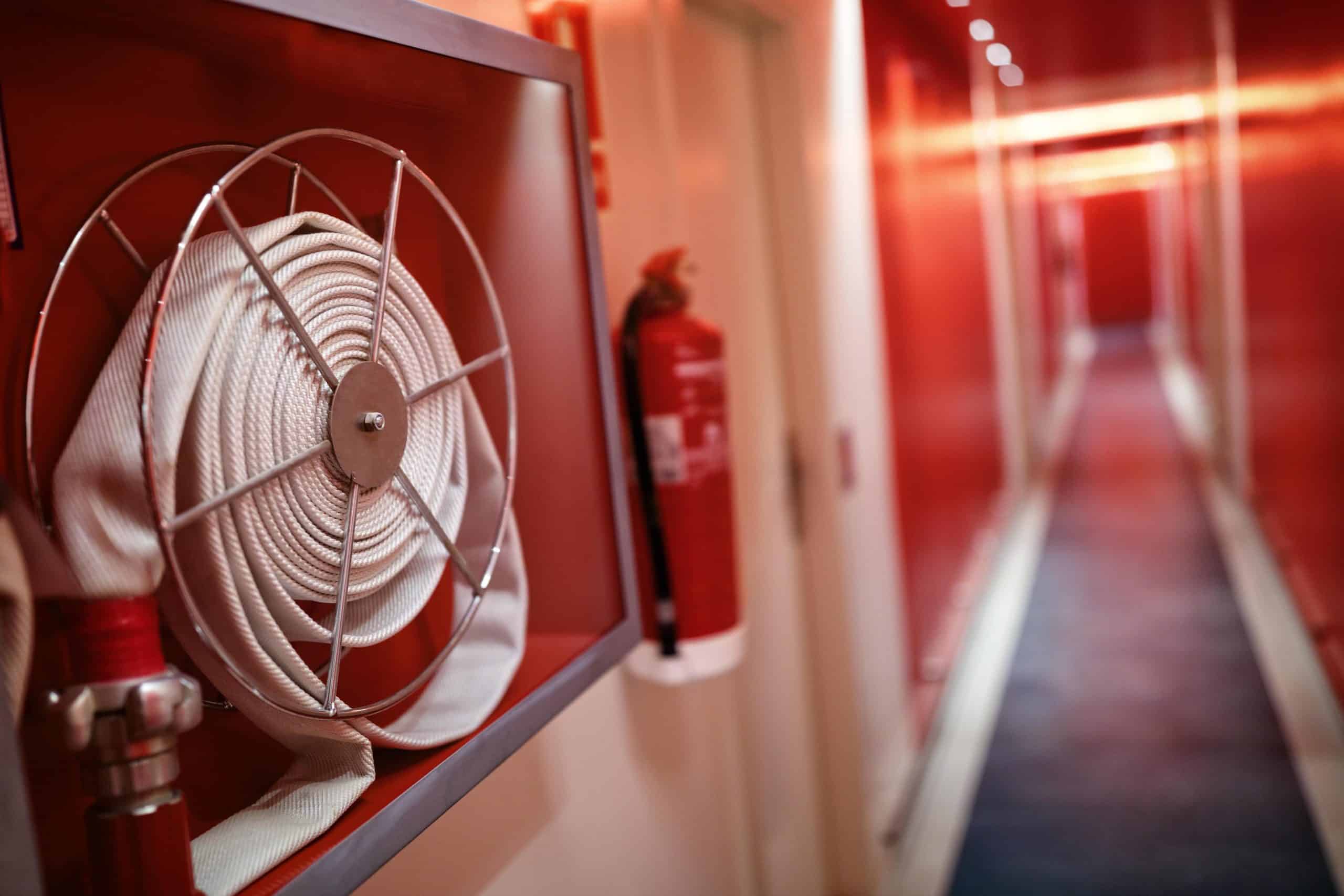
A thorough fire plan for vessels is essential to ensure rapid and effective handling of fires on board. The plan should include an overview of escape routes, the location of fire extinguishing equipment, procedures for warning and evacuation, as well as training the crew in the use of safety equipment. It must also describe the maintenance of extinguishing systems and regular drills to ensure that everyone on board knows their tasks in an emergency. Updated fire plans for vessels contribute to increased safety and reduce the risk of serious incidents at sea.
Effective fire plans for vessels - how to create them
Fire plans for vessels must be adapted to each individual vessel's size, use and risk profile. A well-developed fire plan contains detailed drawings of escape routes, the location of fire extinguishing equipment and clear procedures for notification and evacuation. Routines for regular maintenance and drills must be included to ensure that the crew is prepared for emergency situations. Updated fire plans from Midnor Safety help reduce the risk of serious incidents and ensure that the vessel meets current regulatory requirements for safety at sea.

Questions and answers
Fire plans are required by maritime authorities and classification societies to meet safety requirements. A well-prepared fire plan prepares the crew, increases safety on board and helps reduce damage and loss in the event of fire.
A fire plan for a vessel should include drawings of escape routes, location of fire extinguishing equipment and fire alarms, procedures for notification and evacuation, roles in emergency situations, and checklists for control and exercises. This ensures overview and preparation for everyone on board.
Yes. Midnor Safety develops, adapts and revises fire plans for vessels in line with current international and national requirements. We also ensure that the plans are easily accessible to crew and inspectors.
Fire plans for vessels should be updated when there are changes to the vessel's layout, installation of new equipment or changes in operations. In addition, a regular revision, for example annually, is recommended to ensure that the plan is always adapted to the actual situation on board.
The crew can be trained through regular drills and training where they practically review the fire plan procedures. This way everyone becomes familiar with escape routes, equipment and their roles, which increases preparedness and safety in the event of a fire on board.
To ensure compliance, the fire plan should be documented and up-to-date, drills and audits should be logged, and crews must be trained. These measures demonstrate that the plan is active and in use – something that is often required during inspections by authorities or classification societies.
A ship fire plan is a detailed plan that shows escape routes, location of fire extinguishing equipment and procedures in the event of a fire. It is important to ensure rapid and safe evacuation, effective extinguishing and to meet regulatory requirements for safety on board.

Ready for safety?
We tailor our fire protection and documentation services to your requirements and projects. From the first inspection to the finished report – we make it easy to be safe.
Fire plans for vessels are essential for ensuring safety on board and meeting the authorities' safety requirements. A well-prepared fire plan provides an overview of the location of fire extinguishing equipment, escape routes and emergency procedures, and ensures that everyone on board knows what to do in the event of a fire. For fishing vessels and other commercial vessels between 8 and 15 meters, there are specific requirements for fire prevention measures and equipment. Midnor Safety has extensive experience in preparing fire plans adapted to different vessel types, based on current regulations. Our professionals ensure that the fire plans include updated solutions for extinguishing systems, marking and documentation, so that the vessel meets all safety and certification requirements. With the right fire plan, the foundation is laid for effective emergency preparedness and increased safety for crew and assets.